
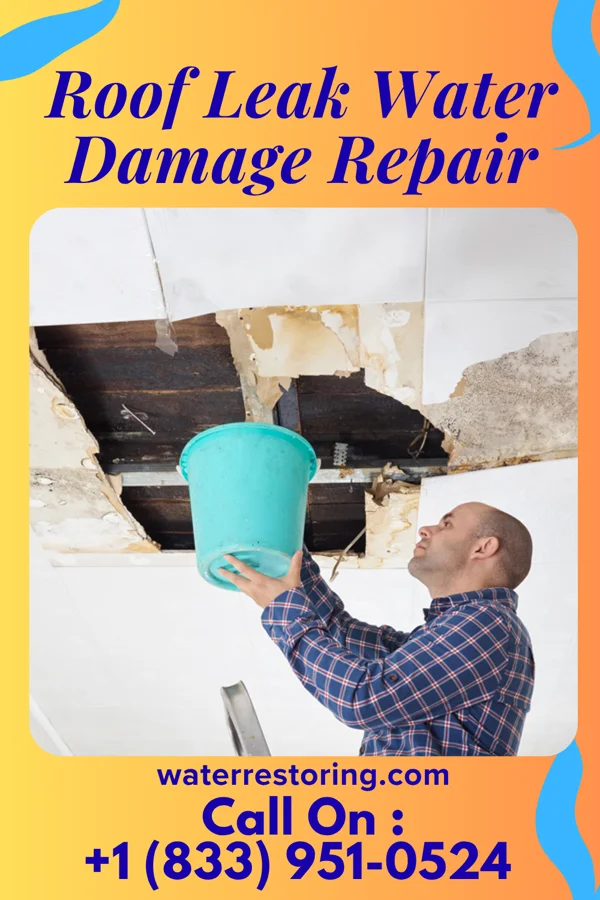
Why Roof Leak Damage Spreads in Dodgingtown
Most water damage emergencies in Dodgingtown start with Dodgingtown, Connecticut experiences frequent spring and summer thunderstorms that can lead to sudden heavy rainfall, increasing the risk of roof leaks. The area's hilly terrain can cause water to pool in certain spots, particularly around older homes with asphalt shingle roofs. These conditions can quickly lead to interior water damage if not addressed promptly.. A close second is In the fall, Dodgingtown is prone to strong winds and heavy rain, which can lift shingles or damage gutters, creating entry points for water. Winter snowmelt can also contribute to roof leaks, especially if the roof has not been properly maintained over the colder months.. From the second water touches the property, every minute changes what gets saved and what gets ripped out.
The climate in Dodgingtown, with its frequent storms and temperature changes, can accelerate roof deterioration. Homes in this area are particularly vulnerable to water infiltration during heavy downpours, which can lead to mold growth and structural damage if not addressed.
Most roof leak water damage repair calls in Dodgingtown come from Dodgingtown, Connecticut experiences frequent spring and summer thunderstorms that can lead to sudden heavy rainfall, increasing the risk of roof leaks. The area's hilly terrain can cause water to pool in certain spots, particularly around older homes with asphalt shingle roofs. These conditions can quickly lead to interior water damage if not addressed promptly.. Running a close second is In the fall, Dodgingtown is prone to strong winds and heavy rain, which can lift shingles or damage gutters, creating entry points for water. Winter snowmelt can also contribute to roof leaks, especially if the roof has not been properly maintained over the colder months.. Local mold risk: Mold can begin to grow within 48 hours of water exposure in Dodgingtown, particularly in the humid summer months. This risk is heightened in older homes with poor ventilation, leading to long-term health and structural concerns.